

Summary
of Major
Achievements

.

.

5

Patents

.

.

.

+ 50

Research projects

.

.

.

+ 300

Journal papers

BioMIT brings together biomedical signal analysis, energy-based therapies and electroporation-based therapies. The areas below bring together findings from multiple publications and connect them with our research project portfolio, from foundational methods to current translational challenges.

Within each research line, the areas are presented from the most recent contributions to earlier foundational work. Experimental findings are distinguished from clinical evidence, and the objectives of newer projects are identified as ongoing research.

Biosignal Analysis

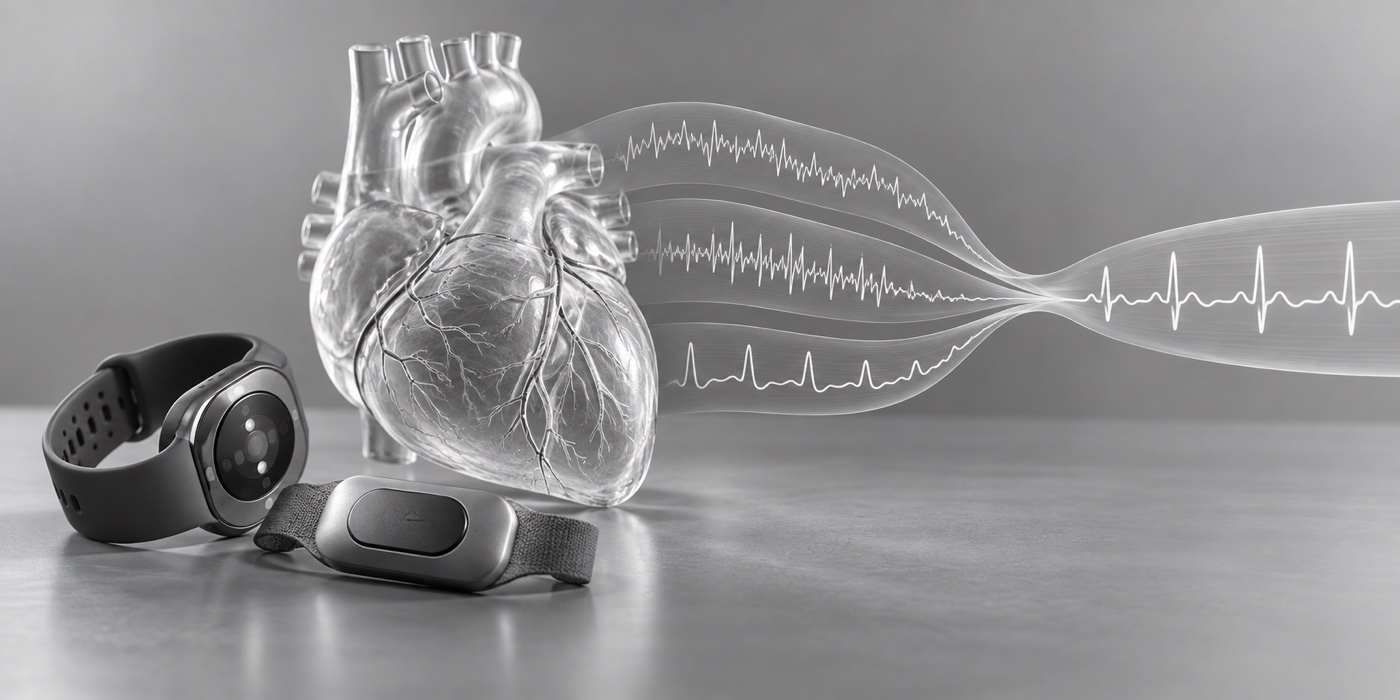
Conceptual illustration of wearable sensors, a heart model, and physiological signal analysis
  • Wearable Cardiovascular And Sleep Monitoring

    We develop methods to assess ECG and optical pulse quality, restore noisy recordings and improve heartbeat detection. Machine learning and nonlinear analysis also support hypertension-risk assessment, sleep-apnea detection and synchronization of cardiovascular recordings. Together, these studies address practical challenges in personalized monitoring, including movement artifacts, calibration and limited generalization beyond training datasets.
  • Predicting Response To Atrial Fibrillation Treatment

    Clinical collaborations have identified ECG markers associated with recurrence after electrical cardioversion, catheter ablation and surgical ablation. Combining atrial-wave amplitude, frequency, variability and entropy supports patient stratification before treatment. These observational findings provide a basis for personalized decision-support research, without guaranteeing an individual patient’s outcome.

  • Extracting And Characterizing Atrial Activity

    Our methods recover atrial signals from ventricular interference and noise, then quantify the electrical organization underlying atrial fibrillation. Source separation, wavelet analysis and electrogram processing reveal conduction patterns and changes after pulmonary-vein isolation. Comparative evaluations clarify how recording quality and analysis settings affect interpretation, supporting more reproducible electrophysiological assessment.

  • Detecting And Tracking Atrial Fibrillation

    Wavelet, spectral and nonlinear analyses provide complementary markers for detecting atrial fibrillation and studying how episodes begin or terminate. Combining atrial-wave information with rhythm dynamics allows approaches that do not rely solely on an irregular heart rate. This work supports earlier-recognition research and the characterization of different arrhythmia patterns.

Energy-Based Therapies

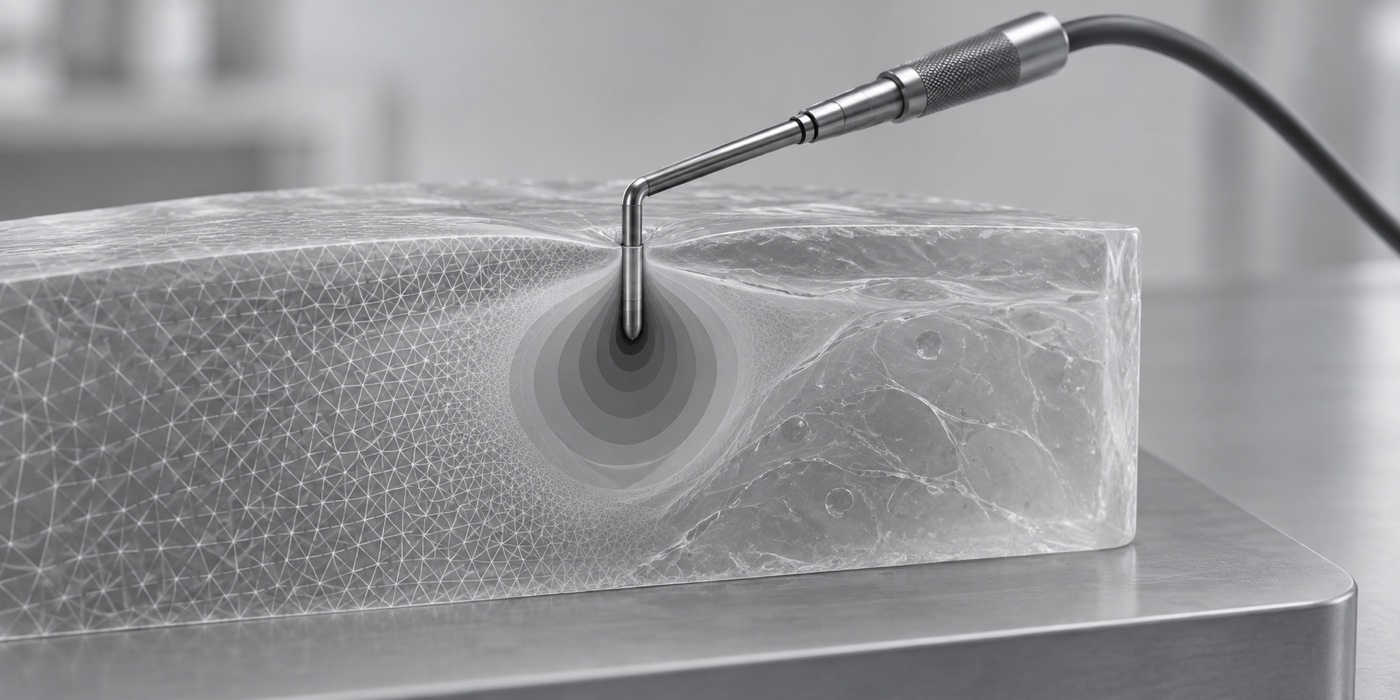
Conceptual illustration of an ablation probe, tissue modeling, and localized energy delivery
  • Predictive Models Of Tissue Response To Energy

    We have built analytical and computational models that connect electric fields, heat transfer, blood flow and tissue properties to treatment effects. Experimental measurements and model comparisons clarify the limits of common assumptions, including differences between healthy and diseased tissue. Applications extend from cardiac and tumor ablation to studies of neural stimulation and thermocoagulation, supporting better-informed device design.

  • Ablation And Blood-Sparing Surgical Devices

    Modeling, laboratory experiments and clinical collaborations have supported radiofrequency and microwave approaches to liver-tumor treatment and tissue resection. Work on cooled electrodes, saline delivery, coagulation and blood-flow effects links device design to the size and shape of treated tissue. Related surgical studies have evaluated instruments for simultaneous tissue division and hemostasis, including liver resection and kidney-preserving procedures.

  • Controlling Cardiac Ablation Lesions

    A sustained program has examined how catheter configuration, contact, irrigation, electrode movement and energy delivery determine radiofrequency lesion formation. Comparisons of bipolar approaches, short-duration pulses and repeated applications clarify the trade-off between lesion coverage and overheating. Studies of return-electrode placement and monitoring signals further show why treatment settings must be interpreted in their anatomical and electrical context.

  • Protecting Tissues During Thermal Ablation

    Our research has characterized heat transfer beyond the intended cardiac lesion and evaluated strategies for protecting the esophagus. Computational and experimental work examines active cooling, temperature monitoring and the effects of high-power radiofrequency and laser delivery. This combined evidence explains protective mechanisms and monitoring limitations, helping define safer treatment strategies without assuming that any technique eliminates all risk.

  • Radiofrequency Approaches To Pancreatic Treatment

    A connected series of studies has investigated radiofrequency-assisted pancreatic transection, duct sealing and tissue atrophy, progressing from experimental models to selected clinical evaluations. Preclinical work also explored links between duct interruption and premalignant lesions. This foundation informs PANCABLADE and PROPANTHERA; their newer treatment and cancer-prevention objectives remain under investigation and are not presented as established clinical benefits.

Electroporation-Based Therapies

Conceptual illustration of electrodes, electric fields, and cell membrane permeability
  • Electrical And Thermal Safety Of Pulsed-Field Ablation

    Our modeling studies examine the interaction of pulsed-field ablation with coronary arteries, metallic stents and surrounding tissues. They characterize electric-field distortion, heat accumulation and delayed temperature changes across pulse conditions. Together, the findings identify safety questions and design constraints that require experimental and clinical evaluation, rather than treating electroporation as automatically free of thermal or collateral effects.

  • Anatomy-Aware Electric-Field And Catheter Design

    We have developed complementary models for predicting how pulsed electric fields spread through cardiac anatomy. Studies of full-torso versus local models, myocardial fat and large spherical catheter geometries show how tissue composition and modeling choices alter the predicted treatment region. These tools support electrode comparison and treatment planning while making the assumptions behind predicted selectivity explicit.

  • Selective Electroporation For Tumor Treatment

    Research on liver electroporation, conductivity modification and high-frequency electrode arrays has explored ways to shape treatment coverage and limit unintended exposure. Computational, tissue-model and preclinical studies identify opportunities and limitations in electrode design, ablation volume and treatment selectivity, including approaches that did not deliver the anticipated benefit. These foundations inform MetaPulse and its flexible-electrode approach to liver metastases, whose project objectives remain to be demonstrated.

  • Pulsed-Field Targeting Of Cardiac Autonomic Ganglia

    Computational and preclinical studies have evaluated pulsed electric fields for targeting epicardial autonomic ganglia involved in atrial-fibrillation mechanisms. Comparisons of endocardial and epicardial delivery, together with bipolar catheter investigations, establish how access route and tissue layers affect target exposure. This work supports the development of selective cardiac treatment concepts within the Heart-Save research program.